
Dental Bridges Melbourne
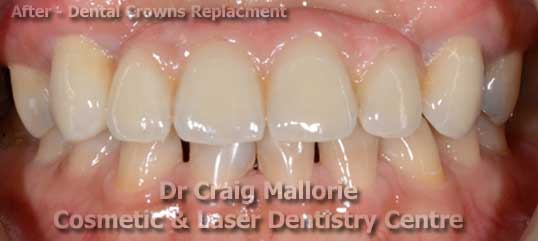
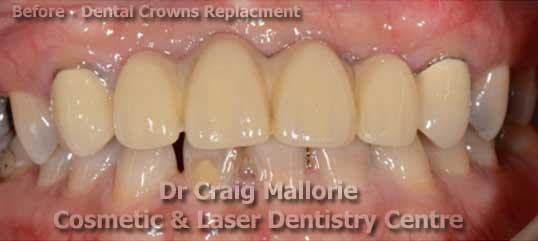
Dental bridges are used to replace one or more missing teeth. Two crowns are secured to the teeth on either side of the gap, and an attached crown replaces your missing tooth, effectively ‘bridging’ the gap.
Dental bridges are used to replace one or more missing teeth. Two crowns are secured to the teeth on either side of the gap, and an attached crown replaces your missing tooth, effectively ‘bridging’ the gap.
Bridges are fixed in the mouth, unlike partial dentures which can be removed.
A dental bridge is designed to improve your smile’s appearance and function.
Bridges can reduce the risk of gum disease, help correct some bite issues and even improve speech. Bridges do, however, require a commitment to serious oral hygiene.
If spaces from missing teeth are left unfilled, they may cause the surrounding teeth to drift out of position, throw your bite out of balance, and create unsightly gaps between your teeth. Additionally, spaces from missing teeth can cause other teeth and the gums to become more susceptible to tooth decay and gum disease.
A dental bridge is designed to improve your smile’s appearance functionality.
Dental bridges are generally recommended for patients with one or more missing teeth who want to restore their smile, improve their ability to chew and speak, and maintain proper oral health. People who might also benefit from dental bridges include:
A dental bridge fills the gaps left by missing teeth, enhancing your smile and restoring your facial aesthetics.
A dental bridge restores proper bite function which improves chewing and speaking.
Dental bridges contribute to better oral health by preventing food particles and bacteria from accumulating in gaps, which can lead to decay and gum disease.
By filling the gaps, dental bridges prevent adjacent teeth from shifting into the empty space, helping to maintain proper tooth alignment.
The process of getting a dental bridge is generally faster compared to other tooth replacement options.
Restoring your smile can boost your self-esteem and confidence.
Bridges help prevent the jawbone deterioration that can occur when teeth are missing, maintaining the integrity of your facial structure.
Modern dental materials allow bridges to closely resemble natural teeth in colour, shape, and size, creating a natural appearance.
Unlike removable dentures, dental bridges are fixed in place, eliminating the need for daily removal, cleaning, and adhesive use.
Once properly fitted, bridges offer stability and comfort, allowing you to eat and speak confidently.
Dental bridges can have a long lifespan with proper care and maintenance, providing a durable and reliable solution for missing teeth.
A dental bridge can last anywhere from 5 to 15 years or more with proper care and maintenance.
Unlike removable dentures, dental bridges are fixed in place. They are typically more stable and secure, providing a more permanent solution for replacing missing teeth.
Yes, but there might be an adjustment period. Initially, it’s recommended to stick to softer foods and gradually reintroduce harder or chewy foods as you become accustomed to the dental bridge.
Caring for your dental bridge is essential to ensure its longevity and your oral health. Maintaining oral hygiene, including flossing, having regular dental check-ups and eating a healthy diet will all help ensure the longevity and success of your dental bridge.
The procedure itself is not usually painful, as local anaesthesia is used to numb the area. Some patients might experience mild discomfort or sensitivity after the procedure, which usually subsides in a few days.